
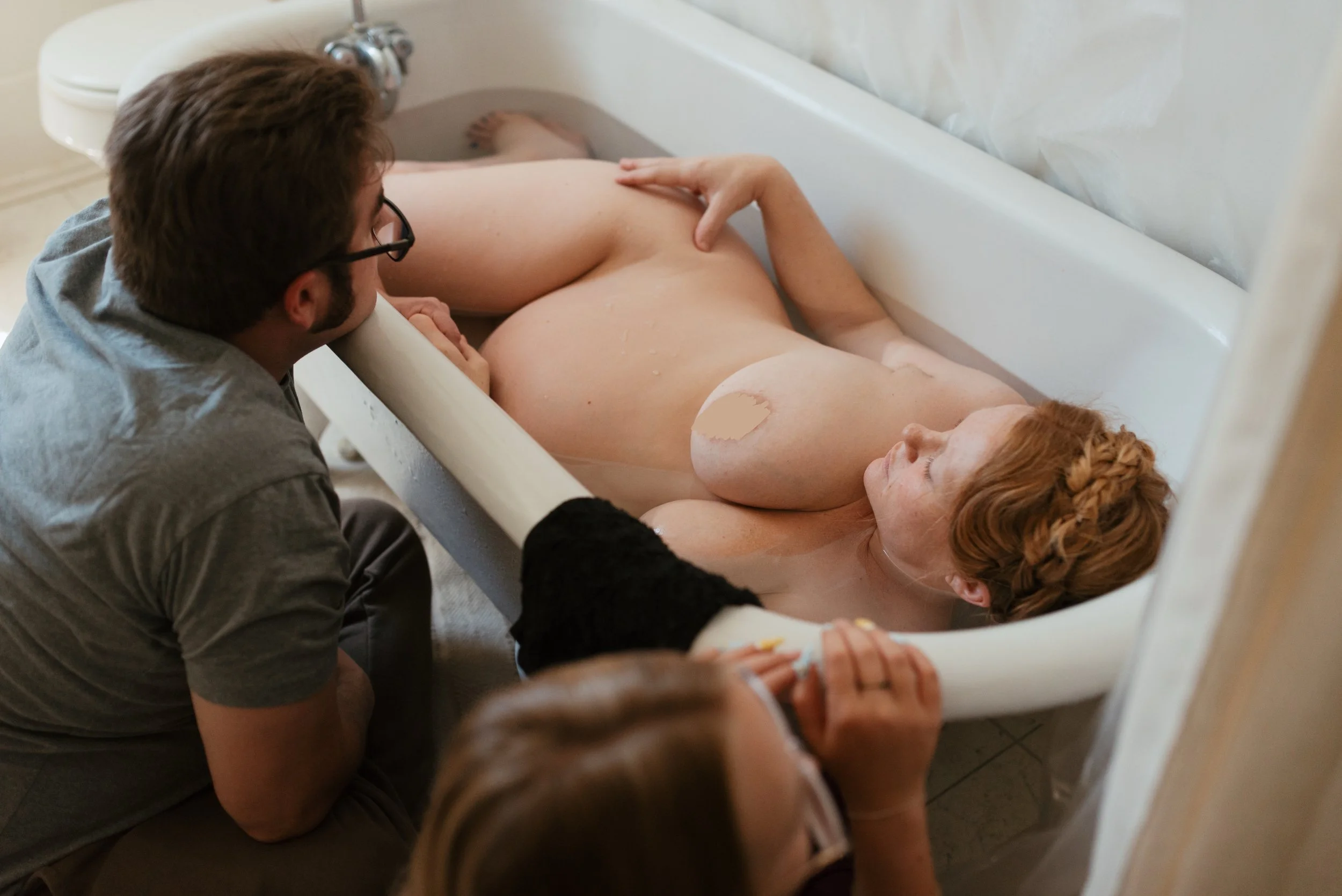
Birth Basics
Learn how birth works, from the inside out. This class walks you through your anatomy and physiology: the changes in your body in late pregnancy, how labor begins, the hormones that drive labor, how your cervix opens and your baby navigates the pelvis, how labor unfolds stage by stage, and more.
We also practice non-pharmacologic pain management strategies and comfort measures, hands-on, as tools to have a beautiful birth. Your partner learns how to protect your oxytocin flow, and what to do (and what to leave alone) when you're in the zone. This matters for all laboring people, whether you plan to birth unmedicated or if you plan to utilize pharmacologic pain management during your labor.
This class is for anyone planning a vaginal birth, no matter what your other birth preferences are.
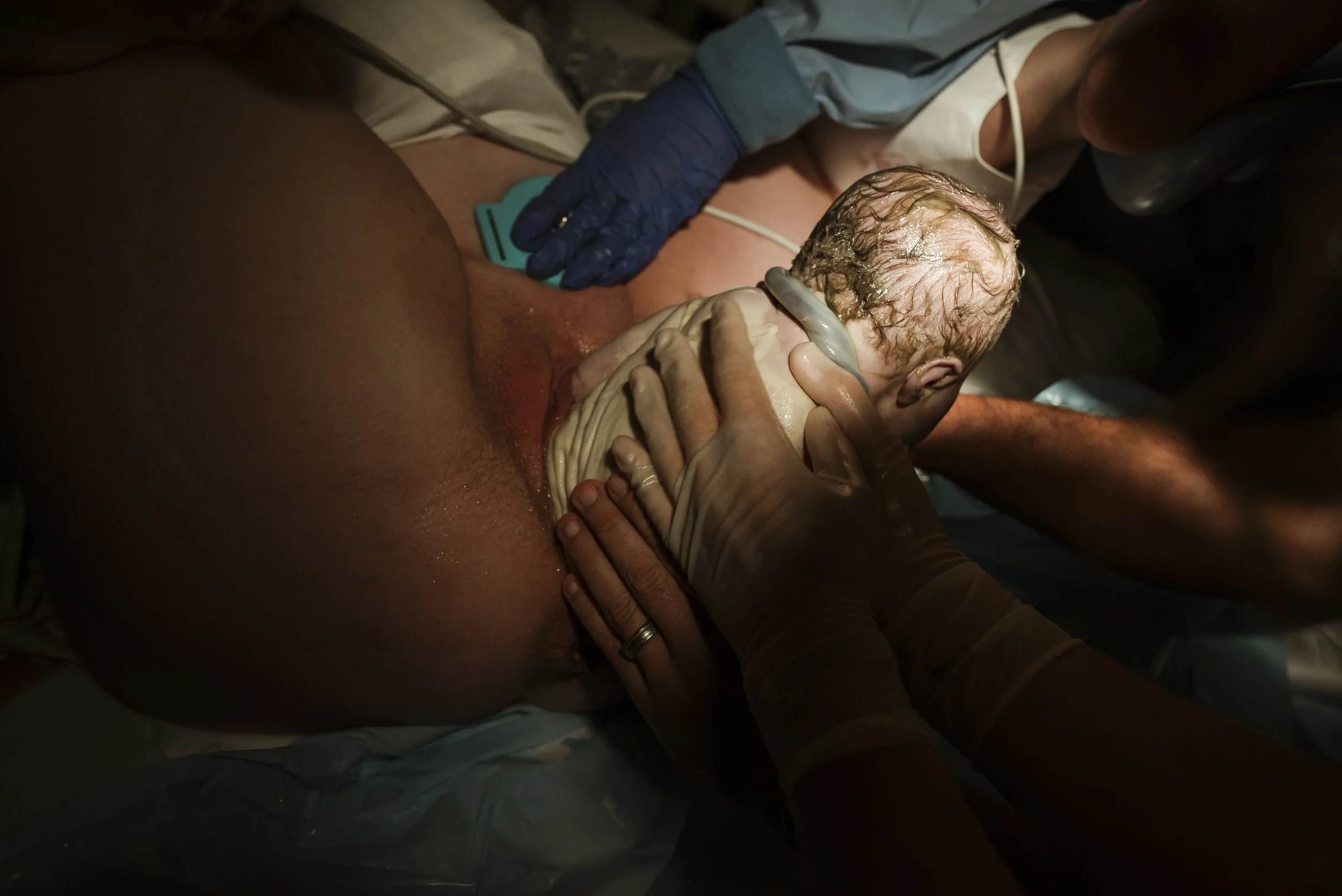
The Unfolding of Birth
This is the class for people who like to have information. It builds on what you learn in Birth Basics, so I highly recommend taking that class first.
We think about our "birth goals," and we see interventions as tools to reach those goals. For every family, the first goal is a safe and healthy birth, but our planning doesn't end there. I want you to have a birth that is also satisfying, and that creates a memory you can look back on with joy. You may have specific goals in mind: a physiologic birth, a birth without an epidural, a birth with one, an idea of how you want to feel, or something else entirely. I want to help you prepare for your best birth, however it unfolds.
In this class, you'll learn:
Your options, including the "secret menu" at the hospital: options many families don't know to ask about. Curious about sterile water injections for pain management? Want to catch your baby? Keep your placenta attached to your baby for an hour? We cover it.
How to advocate for your wishes, communicate with your care team, and be an informed decision maker
All the types of fetal monitoring, when and how they're used, and why you might choose different types at different points
A deep dive into induction: the evidence-based strategies that may work at home, how to decide when induction is right for you, the methods used, and how to support your physiology in a more medicalized birth
Less common interventions, like amnioinfusions, vacuums and episiotomies, and when they might be the right choice
Real birth scenarios, and how to navigate the unexpected
Evidence-based strategies to reduce your risk of cesarean
The current guidelines California hospitals actually use when writing policy and providing care, so you know what to put on your birth plan and what's already standard practice
Birth can get pretty weird, so I don’t make promises, but my hope is that you don’t encounter anything you’ve never heard of before, and if you do, you feel empowered to communicate and ask questions about what is happening with your body and your baby.
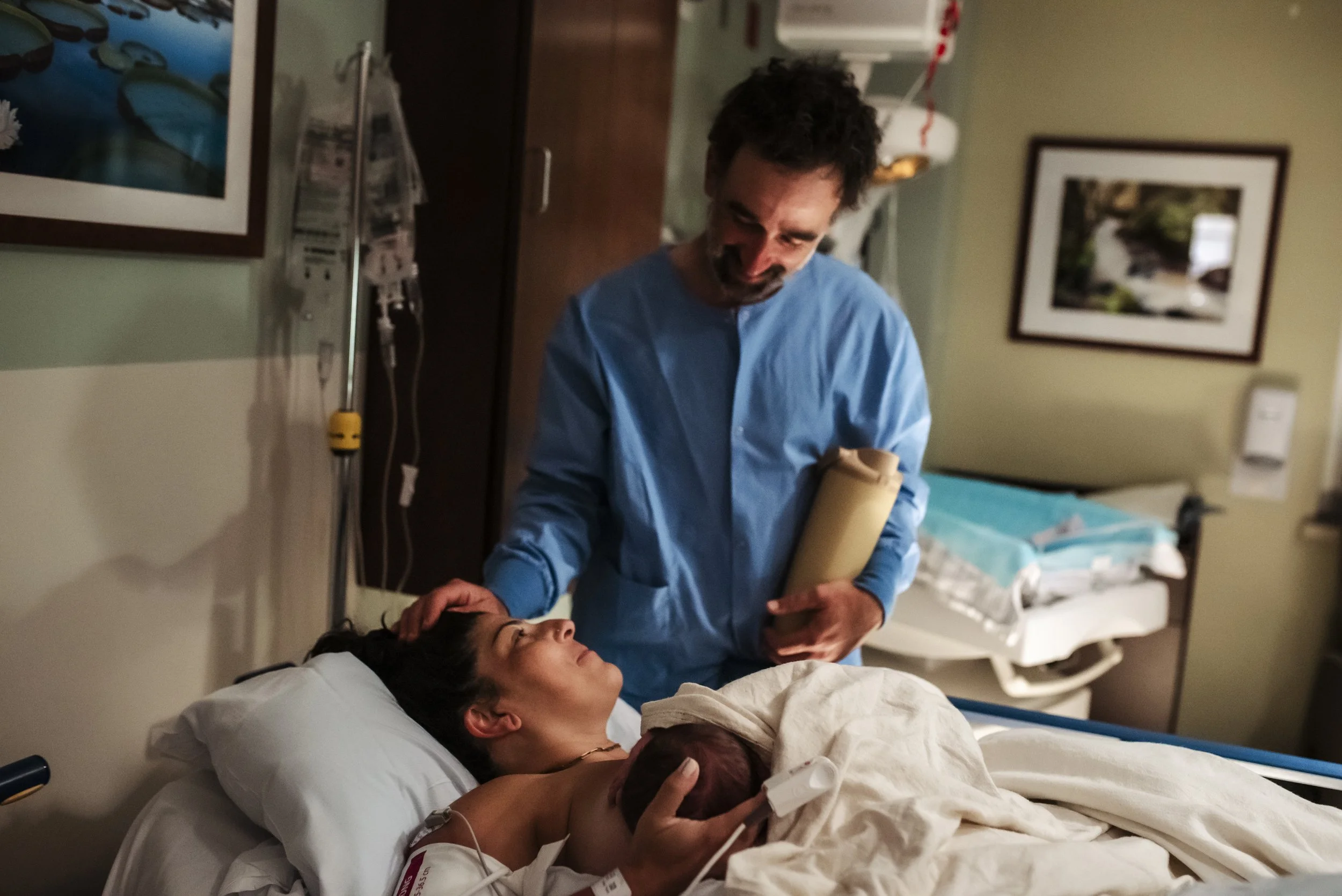
Cesarean Birth
Many childbirth classes spend about 10 minutes on cesarean birth at the end. I believe cesarean birth deserves as much attention, love and dedication as a vaginal birth.
Cesareans happen in many different ways: planned, unplanned, for medical reasons, for non-medical reasons, some wanted, and many unwanted. I want to prepare you for the full range of ways a safe and satisfying birth can look, so we talk about cesareans in great detail.
We start with planned cesareans: what the preparation looks like, what to expect in pre-op, who will be with you in the operating room, what your options are for a more empowered experience, and how to advocate for things that may be "outside of the norm." We also talk about unplanned cesareans, including those that happen after laboring, and how you can make an urgent or emergent cesarean still include what's important to you.
This class is for everyone, whether you're planning a cesarean or hoping to avoid one. Just because your birth is happening in an operating room doesn't make it any less sacred or yours.
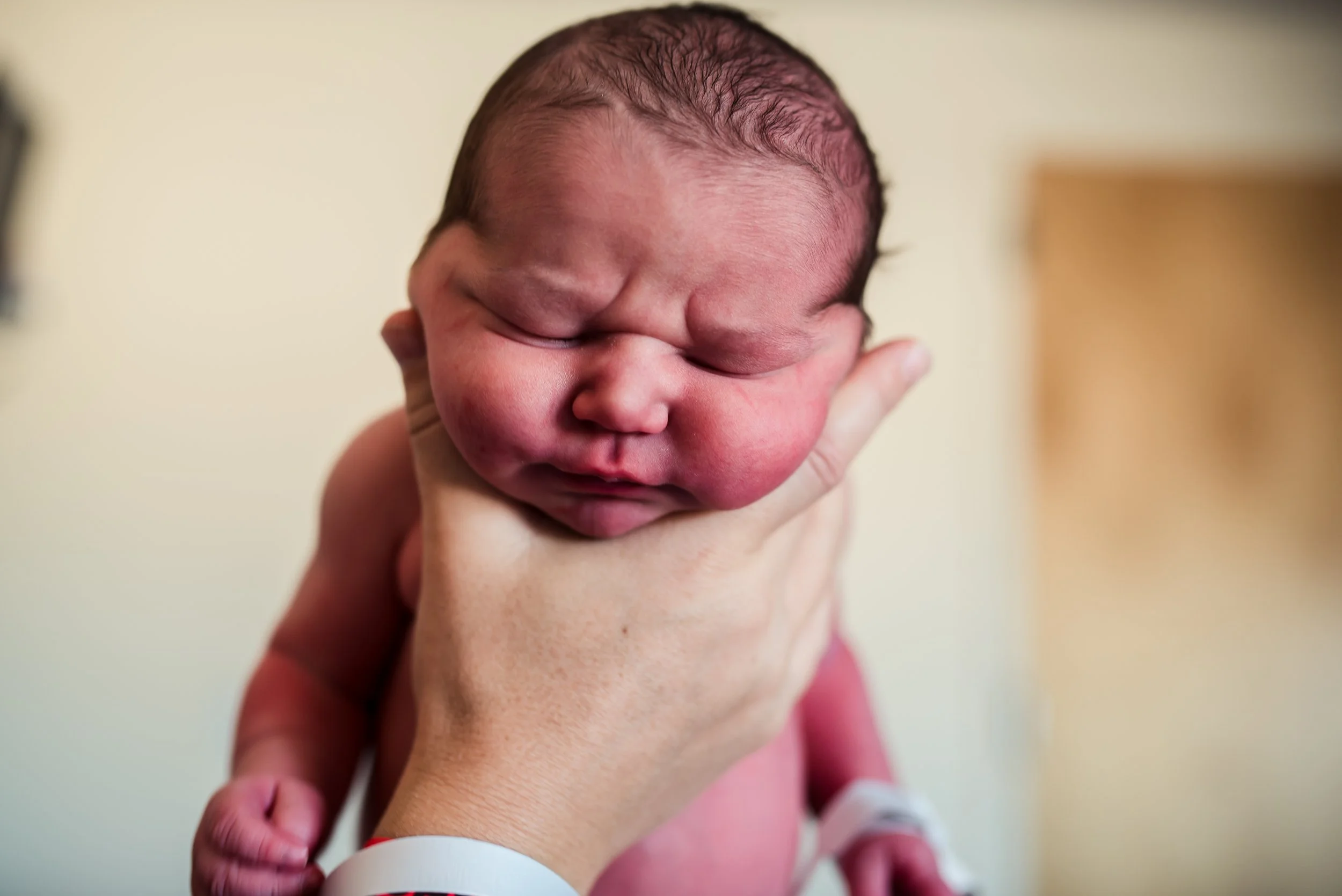
Postpartum, Newborn Care and Feeding Baby
Time and time again, I hear parents say they spent so much time preparing for the birth that they forgot about actually having a tiny human at home afterward. This class is here to change that.
We talk about postpartum recovery, mental health, nutrition, building a support plan, newborn care, SLEEP (for the whole family), breastfeeding, pumping and bottle feeding. We also build a plan and timeline for your first months of feeding. We focus on partner and family support, and on how your partner can help create an environment that promotes health and healing.
My hope is that you leave feeling confident in your knowledge and ready to prepare for recovery, ask your community for support, care for your baby, and meet your nursing and feeding goals.