
The working philosophy of these classes is based in my boots-on-the-ground experience attending over 60 births in the last few years AND the recent research and evidence on pregnancy, birth, and postpartum. Birth is a powerful, sacred, and spiritual event for a family, and understanding that is where we start. From my perspective, a good birth is simply one where you felt heard, your needs were met, and you and your baby are safe and healthy at the end. A “good birth” looks different for every person. What you plan for is rarely exactly what happens, but preparation is still key.
Birth can be beautiful and empowering in many settings. Some of the most moving births happen in an operating room. Home birth is safe and responsible choice for many. You absolutely can have a low-intervention, physiological birth in the hospital with the right preparation. Choosing an epidural doesn’t mean disregarding physiology; for some people, it’s exactly what they need to feel the way they want to feel in their birth. And midwives belong everywhere people give birth.
Your plans may pivot ten different times. You may have an birth experience completely unlike what you expected and still have a satisfying birth experience.
My goal as your teacher is to give you the tools to understand birth, make informed choices, and stay connected to the process. I’ve made these classes as comprehensive as possible, covering just about everything I think you should know about giving birth and starting your new life with your baby. Because of the depth we go into, it is a longer time commitment, and a higher price point than what you may see elsewhere, but I promise it will be worth it. You can take all of them, at a bundled price, or you can pick and choose based on your individual needs. More on that after our overview of the classes!
introduction to my classes

In this class, we talk about the fundamentals of labor and vaginal birth. Topics include:
Anatomy of the pregnant body
The placenta
Hormones of labor and how to optimize their function
The cervix and all the ways it changes for birth - not just dilation
Contractions and signs of labor
Progression of labor, including recognizing each stage and how your partner and birth team can best support you through each one
Birthing the placenta
Tearing and ways to reduce your risk
Pain perception in childbirth
Comfort measures and non-pharmacologic pain management
Golden hour and immediate postpartum
birth basics
body ready birth®
Coming soon, certification to teach pending November 2026. This is the only class that is not my curriculum.
The goal of Body Ready Birth® is to deepen the brain-body connection so you can intuitively find the movements and positions your body needs during each stage of labor and understand how your baby navigates so you can work together. This in-person, hands-on workshop is designed for you and your partner to gain confidence, learn practical skills, and know exactly how to create space at each level of the pelvis, supporting a smoother, more empowered birth experience. We will:
Experience birthing positions before labor
Build neural pathways from your brain to your body
Create mobility in your pelvis
Address common musculoskeletal issues that often slow down labor
Prepare all 3 levels of your pelvis for birth
Gain the confidence to know EXACTLY how to move in birth to help your baby progress
Practice innovative hands-on techniques to increase comfort and connection with your partner during labor
The know-how to minimize and prevent common birth injuries with proven methods.
All so you can have your easiest possible birth! There is so much you can do to prepare your body when you have the right knowledge and tools. This workshop provides those tools and a guideline for practicing them before birth and utilizing them during your labor.
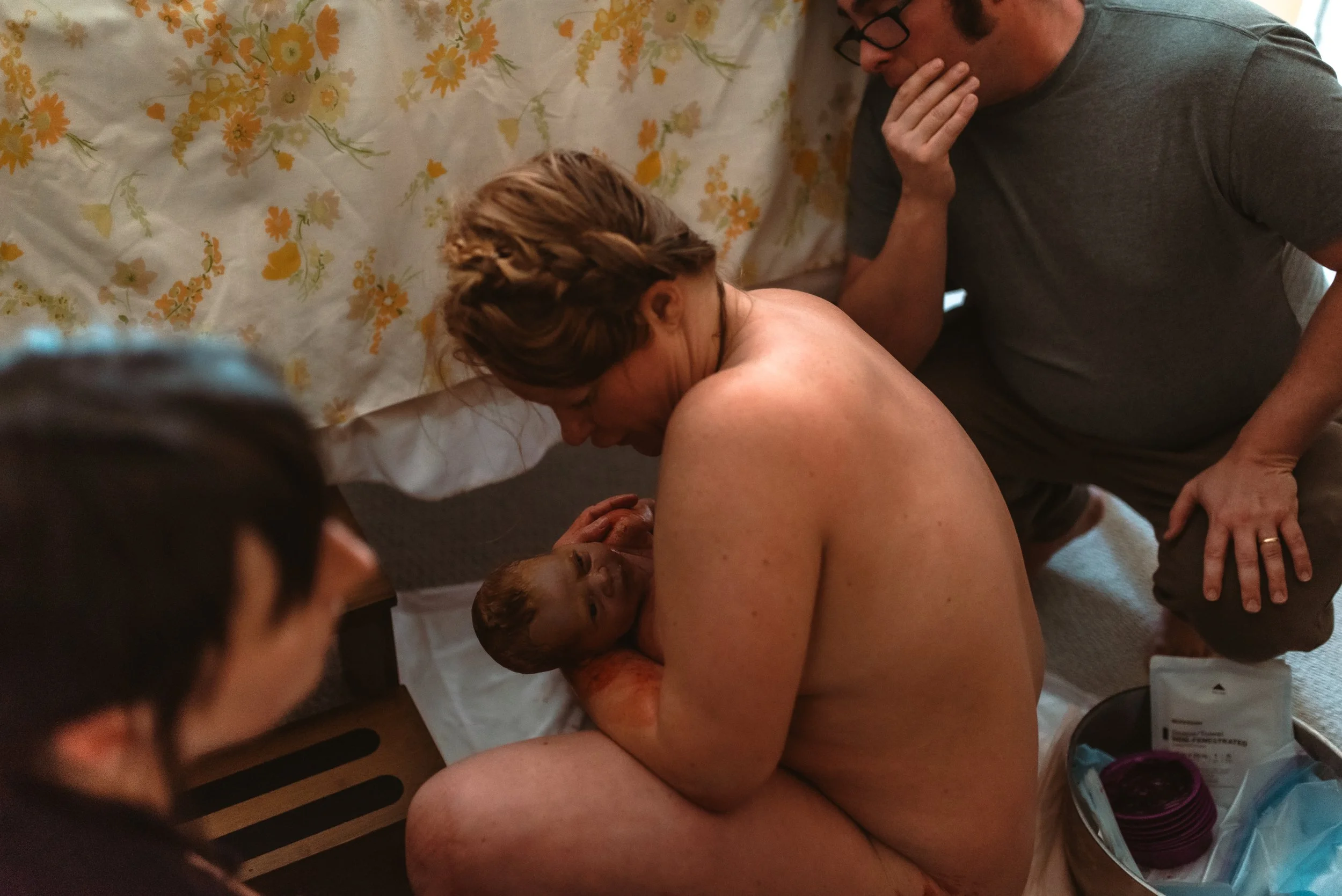
Covering all the big questions and so much more.
Care providers and midwifery
Birth locations overview
Giving birth in a medical setting
What interventions are and why we use them
Monitoring labor progress, when to choose cervical checks, when they might be unnecessary or even increase risks, and external ways to monitor labor’s progress
Fetal monitoring - including the evidence on intermittent auscultation, continuous monitoring, and internal monitoring
Pharmacologic pain management options
Epidurals: where they’re placed, how they work, the package of interventions that come with it (hint: you still get to choose which ones you want), pushing with an epidural, and more
Inductions: at-home methods and their effectiveness, why a medical induction might be recommended and understanding if it’s really necessary, methods for inducing labor, low vs. high dose Pitocin protocols, and working with your physiology in a more medicalized birth
Artificial rupture of membranes
Vacuum assisted birth and episiotomy: why, when, how
The third stage of labor: expectant vs. active management and understanding hemorrhage risk
Common birth complications and how your care might change
The cascade of interventions: what it is, what it isn’t (another hint: not really much of a thing in most local hospitals)
Protecting physiologic birth in choosing your interventions
Reducing your risk of cesarean
Newborn interventions, including an overview resuscitation (because (5-10% of babies will need it, and it’s usually not as big of a deal as you might think), newborn medications, tests and procedures in the first days of life, NICU overview
Understanding your priorities and centering them in unexpected situations
Self advocacy in birth
the unfolding of birth
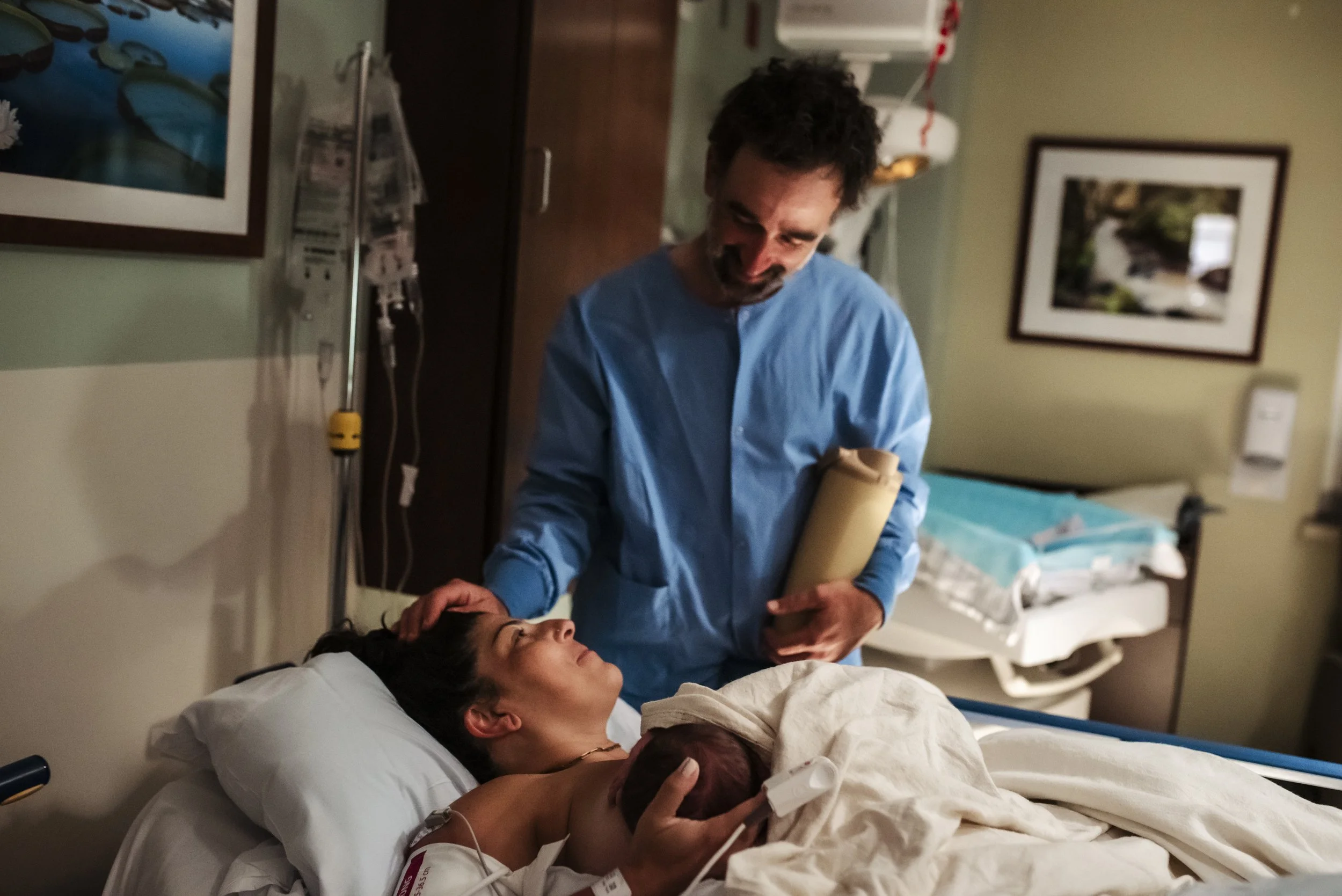
Because it needs a whole class, not just 10 minutes at the end. Topics include:
Overview and definitions
Indications pre-labor and during labor
Enhanced recovery after surgery (ERAS) protocol specific to cesarean
Pre-op procedures and medications
Anesthesia options (spinal block, combined spinal epidural, tap blocks, and general anesthesia)
Who is with you in the operating room
Creating a more connected experience with comfort measures
Lowering the drape and clear drapes
Golden hour in the operating room
Vaginal seeding
Urgent and emergent cesareans
First hours and days of recovery
Writing a c-section specific birth plan for both planned and unplanned surgical births
cesarean birth
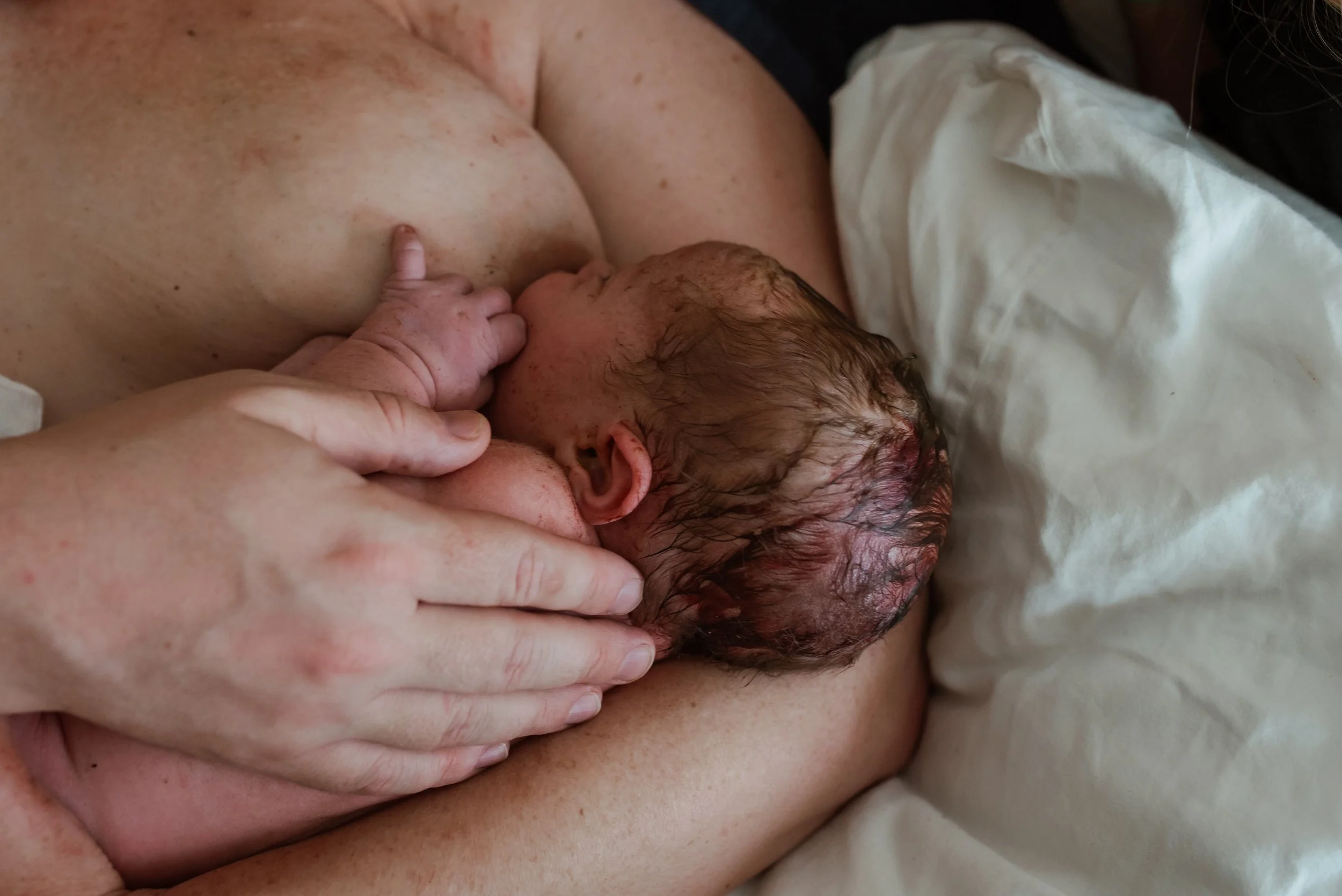
postpartum recovery, newborn care, and feeding your baby
Covering the first days, weeks, and months with a baby and how to create new rhythms in your life with a new baby. This class is important whether this is your first baby or your third. Topics include:
Physical changes in recovery and healing
Postpartum mental health
Preparing your home
Sleep options and how to get more of it in the newborn days
Newborn care
Infant feeding
Lactation anatomy and physiology
Nursing positions
Hand expression
Pumping: what pump to choose, flange fitting, how often to pump based on your individual goals, and more
Bottle feeding: the importance of nipple shape, flow, choosing a bottle, and introducing bottles for primarily breastfed babies
Formula overview
Building your support network
Babywearing
What you should buy, get second-hand, and what is a marketing ploy
And more!